Comprehending the Life-Changing Providers Used by Memory Care Homes
Memory Care homes supply vital solutions customized to people facing memory disability. They concentrate on producing specific Care strategies that reflect individual demands and choices. These homes offer safe settings and appealing tasks to advertise cognitive health and wellness. In addition, dietary support and family members resources enhance the overall experience. Understanding these parts can lose light on the profound impact memory Care homes carry locals and their family members (small memory care homes Charlotte). What particular services make the greatest difference?
Specialized Care Program Tailored to Person Requirements
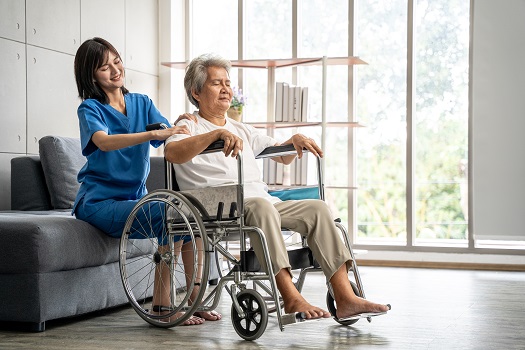
In order to give the finest quality support for homeowners with memory impairments, memory Care homes carry out specialized Care plans tailored to specific needs. These strategies are carefully developed via thorough assessments, which think about each homeowner's case history, cognitive abilities, and individual choices. The goal is to enhance day-to-day living, foster freedom, and enhance total well-being. Caregivers routinely collaborate with healthcare experts to ensure that the strategies stay efficient and responsive to any changes in locals' conditions. Activities are made to involve locals meaningfully, promoting cognitive stimulation while resolving their distinct challenges.Additionally, family input is typically sought to develop an alternative strategy, assuring that the social and emotional aspects of Care are focused on. By focusing on customized strategies, memory Care homes intend to create an environment where locals feel valued, recognized, and supported, eventually bring about a far better quality of life.
Safeguard and Encouraging Living Settings
Developing safe and encouraging living atmospheres is necessary for residents in memory Care homes, as these spaces are designed to decrease risks while advertising convenience and engagement. Such atmospheres focus on safety, featuring safe and secure entries and exits to avoid wandering, which is a common worry among individuals with memory disabilities. Thoughtfully designed formats permit simple navigating, lowering confusion and anxiety.Additionally, memory Care homes usually use relaxing color plans and acquainted style to create a welcoming atmosphere. Staff members are educated to comprehend the distinct needs of homeowners, promoting a sense of trust fund and belonging. Customization of living rooms, including familiar things and photos, improves homeowners' emotional wellness and connection to their past.Incorporating outdoor areas permits homeowners to delight in nature safely, which can favorably affect mental wellness. On the whole, encouraging and safe living settings play a substantial role in enhancing the top quality of life for people in memory Care.
Engaging Tasks and Social Programs
Involving activities and social programs are vital parts of memory Care homes, enhancing the protected and helpful living environments developed for citizens. These tasks are developed to promote cognitive features, advertise social communication, and boost overall well-being. Customized to meet the diverse passions and capacities of residents, programs might include art classes, songs exercise, treatment, and horticulture sessions.Social events, such as video game evenings and themed parties, promote a sense of community and belonging, urging citizens to create connections with peers and staff. Furthermore, these programs frequently include member of the family, producing possibilities for purposeful interactions and shared experiences.

24/7 Professional Guidance and Aid
Specialist supervision and help in memory Care homes is crucial for making sure the safety and health of homeowners. Key parts include constant Care schedule, emergency situation response readiness, and the advancement of personalized support plans. These components function together to create a safe and secure environment tailored to the distinct demands of people with memory disabilities.
Constant Care Availability
While taking care of the intricacies of memory Care, family members look for satisfaction knowing that their liked ones are getting constant Care. Memory Care homes give 24/7 guidance, guaranteeing that experienced personnel are constantly readily available to aid locals with everyday activities, medication administration, and personal Care. This continuous visibility not only advertises security yet likewise cultivates a complacency for both locals and their households. Caretakers are equipped to resolve the unique obstacles connected with memory problems, supplying tailored assistance that improves the lifestyle. In addition, the accessibility of continuous Care permits a much more individualized approach, adapting per homeowner's developing needs while producing a compassionate atmosphere where individuals can thrive.
Emergency Situation Feedback Preparedness
In the domain name of memory Care, preparedness for emergencies is crucial, as unanticipated situations can emerge at any moment. Memory Care homes focus on emergency situation action preparedness with detailed preparation and training. Staff members undertake routine drills to ensure they are equipped to take care of numerous emergency situations, from clinical cases to all-natural catastrophes. This training consists of emptying treatments, emergency treatment, and reliable interaction procedures. Furthermore, facilities are commonly created with safety features, such as safe departures and alarm, to reduce risks. The visibility of professional supervision makes certain that locals get instant help when needed. By cultivating a culture of readiness, memory Care homes develop a risk-free atmosphere, enabling homeowners and families to feel certain in their Care throughout unpredicted occasions.
Personalized Assistance Strategies
Creating individualized assistance strategies is vital in memory Care homes, as these tailored techniques ensure that each resident's special requirements and preferences are fulfilled - small memory care homes Charlotte. These plans are established with detailed evaluations conducted by experienced specialists who think about case history, cognitive abilities, and emotional wellness. The partnership amongst caretakers, relative, and the locals themselves guarantees that the plans show private goals and rate of interests, promoting engagement and a sense of purpose. Normal testimonials of these plans enable required modifications based upon transforming demands, improving the top quality of Care supplied. Inevitably, personalized assistance plans promote an encouraging atmosphere that urges freedom, self-respect, and a better of life for citizens dealing with memory obstacles
Nutritional Assistance and Dish Planning
Nutritional assistance and dish planning play a necessary function in memory Care homes, attending to the special nutritional demands of locals. Tailored nutritional plans are established to meet private wellness demands, while nutritional education programs equip locals and team alike. Additionally, specialized dietary restrictions are thoroughly thought about to ensure that all dishes are both safe and delightful.
Tailored Dietary Strategies
Tailored nutritional strategies play a crucial duty in enhancing the well-being of homeowners in memory Care homes. These strategies are created to meet the special nutritional needs of people with cognitive problems, concentrating on promoting general health and minimizing possible dietary-related problems. Care groups examine each local's choices, nutritional constraints, and certain health and wellness problems to produce personalized meal options. By including a range of nutrient-dense foods, these strategies aim to boost power degrees, assistance cognitive function, and motivate social interaction during nourishments. Furthermore, the structured dish timetables help develop regimen, which can be calming for view homeowners. Ultimately, customized nutritional strategies add significantly to the lifestyle and self-respect of individuals staying in memory Care centers.
Nutritional Education And Learning Programs
When homeowners in memory Care homes involve in dietary education programs, they get beneficial knowledge about healthy and balanced consuming routines and dish preparation. These programs are made to equip people by showing them the value of balanced diet regimens and appropriate part dimensions. Individuals discover how to identify nutritious foods, recognize food labels, and prepare simple, helpful resources well balanced meals. With cooking demos and interactive workshops, homeowners can create useful cooking abilities, boosting their confidence in the kitchen. Furthermore, these programs commonly emphasize the connection in between nourishment and cognitive health and wellness, helping locals make educated choices that support their total wellness. By cultivating these abilities, memory Care homes add to boosting locals' top quality of life and promoting a sense of self-reliance.
Specialized Dietary Restrictions
Memory Care homes recognize that numerous locals require specific nutritional restrictions to fit health conditions, allergic reactions, or personal preferences. To assure perfect health and well-being, these facilities execute tailored dish planning that considers each individual's unique requirements. Nutritional assistance is given by trained team who seek advice from healthcare specialists to develop balanced menus that abide by nutritional guidelines. This might consist of gluten-free, low-sodium, diabetic-friendly, or allergen-free choices. Meal prep work is created to be both nutritious and attractive, boosting the eating experience while advertising better wellness outcomes - boutique memory care. Additionally, personnel are trained to assist homeowners during dish times, ensuring they get the necessary support to eat safely and pleasantly. On the whole, specialized dietary constraints are a vital part of the Care provided in memory Care homes
Memory-Stimulating Treatments and Techniques
Cognitive decline can pose substantial difficulties for individuals with memory impairments, numerous memory-stimulating therapies and methods have actually emerged as reliable devices to enhance cognitive function and general health. These treatments commonly include activities like reminiscence therapy, where individuals talk regarding past experiences, promoting memory recall and emotional connection. Art and music treatment are also widely used, supplying creative electrical outlets that encourage self-expression and cognitive engagement.Additionally, cognitive training workouts and puzzles can help maintain psychological dexterity, while exercises advertise general health and cognitive health and wellness. Social communications with organized team activities foster a feeling of area and belonging, further enriching the lives of homeowners.
Family Support and Educational Resources
As family members browse the complexities of taking care of a liked one with memory disabilities, access to sustain and instructional resources becomes essential. Memory Care homes commonly offer different programs aimed at educating households concerning the challenges linked with memory loss. These programs commonly cover subjects such as efficient communication techniques, behavioral management, and understanding the progression of memory disorders.Moreover, support system assisted in by memory Care specialists allow family members to get in touch with others facing comparable challenges, cultivating a sense of neighborhood and shared understanding. Such communications can relieve sensations of isolation and offer emotional assistance during challenging times.Additionally, several memory Care facilities offer workshops and workshops that outfit family members with useful abilities and understanding. By making use of these sources, households can boost their caregiving abilities, making informed choices that benefit both themselves and their liked ones. Inevitably, these instructional efforts equip households to navigate the trip of memory Care with confidence.
Frequently Asked Inquiries
How Do Memory Care Homes Differ From Assisted Living Facilities?
Memory Care homes focus on providing customized Care for individuals with memory-related problems, offering structured atmospheres and specialized therapies. In comparison, assisted living facilities concentrate on basic support for everyday basics tasks without certain memory Care solutions.
What Safety Procedures Are in Area for Locals?
Precaution in memory Care homes typically consist of protected entrances, monitoring systems, skilled team, emergency action protocols, and regular safety drills. These functions aim to shield homeowners and promote a safe and secure atmosphere for their wellness.
Can Residents Bring Individual Items or Furnishings?

Just How Is Drug Monitoring Handled in Memory Care Homes?
Medicine monitoring in memory Care homes is typically looked after by skilled team that ensure homeowners obtain the appropriate dosages at scheduled times, screen for adverse effects, and keep precise documents to advertise safety and health.
What Are the Prices Related To Memory Care Providers?
The expenses associated with memory Care services differ substantially based on location, center amenities, and level of Care called for. Generally, families can expect month-to-month costs varying from $3,000 to $7,000 or more, depending on specific demands. Memory Care homes provide essential services customized to people dealing with memory problems. In order to offer the greatest top quality assistance for citizens with memory problems, memory Care homes execute specialized Care plans customized to individual demands. While managing the intricacies of memory Care, families look for peace of mind understanding that their enjoyed ones are getting continuous Care. Memory Care homes provide 24/7 guidance, guaranteeing that experienced staff are constantly available to aid homeowners with day-to-day activities, medication administration, and personal Care. Memory Care homes specialize in offering tailored Care for people with memory-related problems, using organized environments and specialized therapies.